Key specs for the top 6 models tested.
Comparing these six machines is a study in specialized power — from a dedicated workstation to a cutting-edge M4 Mac and high-end gaming internals repurposed for creative work.
The Apple 2024 MacBook Pro is the performance leader for sustained workloads like video rendering. The M4 Pro chip with 14 CPU cores and 20 GPU cores delivers industry-leading single and multi-threaded performance, while the Liquid Retina XDR display with 1600 nits peak brightness ensures color grading accuracy. At $1,999 (17% off), it's the professional's choice.
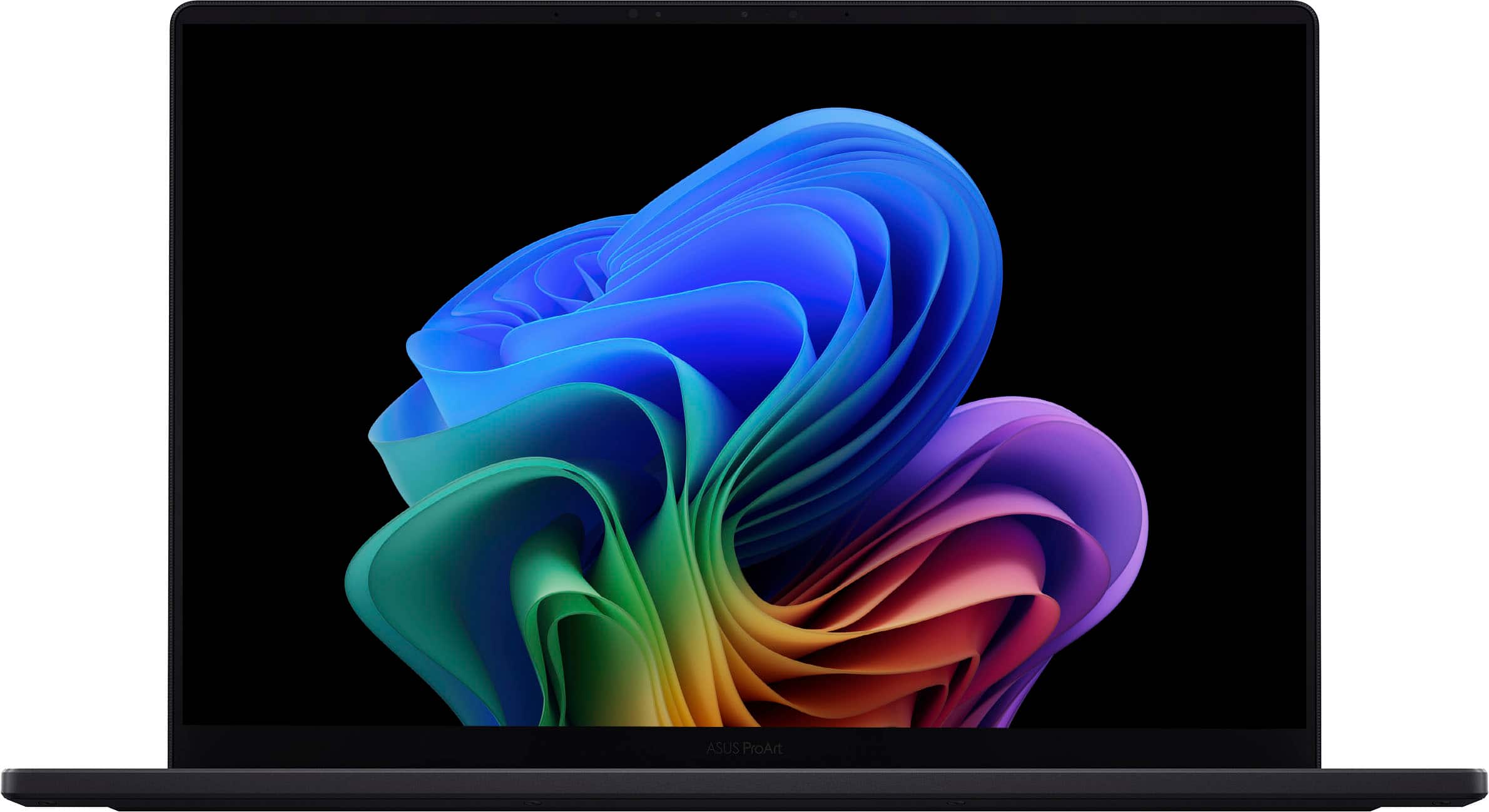
The ASUS ProArt P16 offers the best value-to-power ratio for Windows creators at $1,499. The 4K OLED touchscreen with the physical ASUS Dial for scrubbing timelines is a unique differentiator. With 32GB of RAM running at 7500 MHz and an RTX 4060, it handles 4K editing with ease. The 60Hz display refresh rate is the main trade-off.
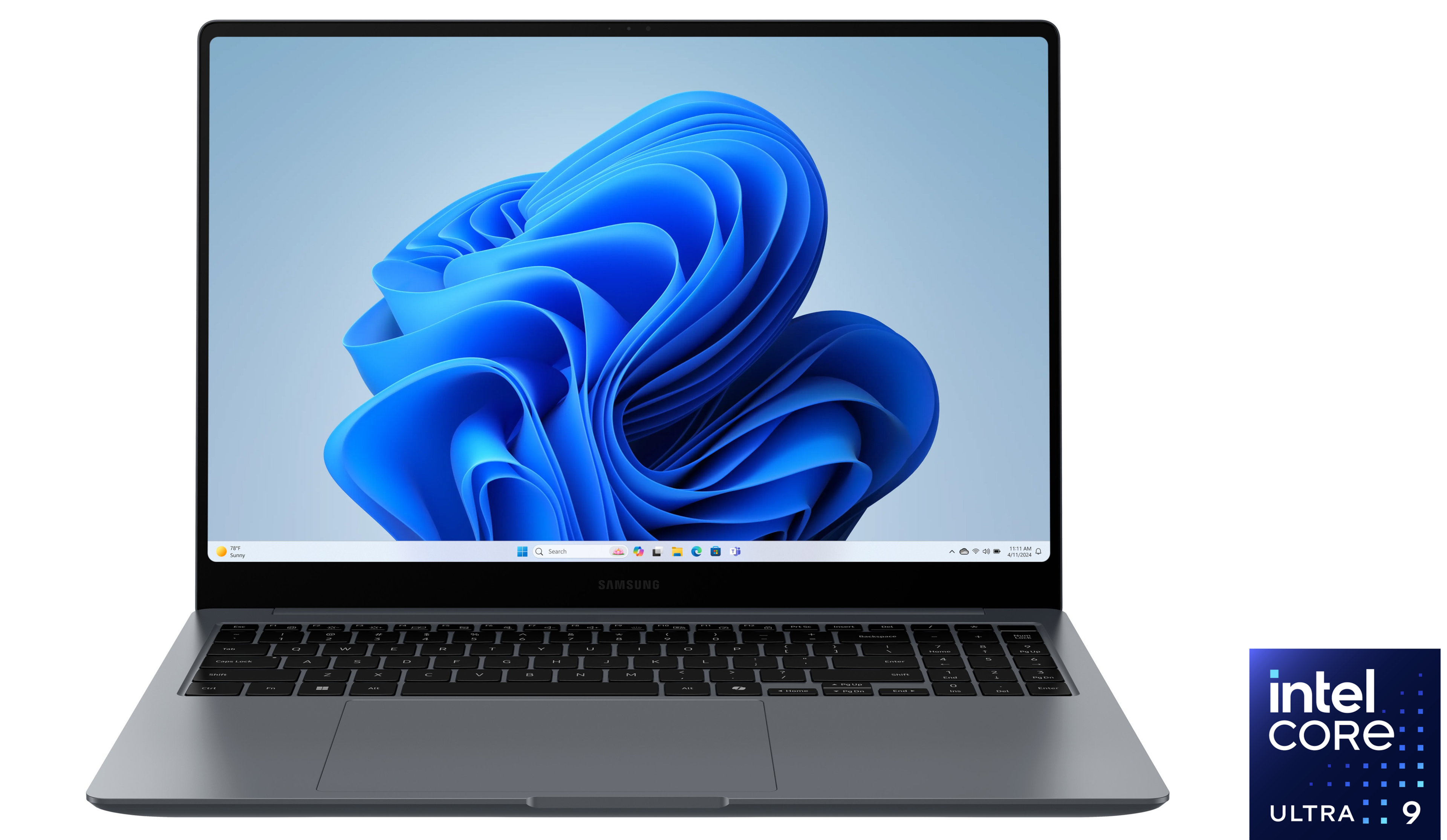
The Samsung Galaxy Book4 Ultra is the premium Windows option with the most powerful GPU — an RTX 4070. The 16-inch 3K Dynamic AMOLED 2X touchscreen with 120Hz refresh is stunning for color-critical work. At $2,999 it's the most expensive, but you get unmatched GPU power in a slim 4.1-pound chassis.
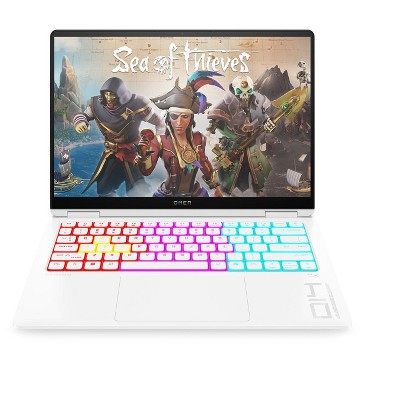
The HP OMEN Transcend 14 packs a 3K 120Hz OLED display and next-gen Intel Core Ultra 7 with NVIDIA RTX graphics into a 3.6-pound portable chassis. At $1,699 (35% off its $2,599 regular price), it blurs the line between gaming laptop and creative workstation.
The HP ZBook Studio 16 G9 is the budget workhorse with ISV-certified professional stability. It offers 32GB DDR5 RAM and a 2TB SSD at $1,109, though the 12th Gen Intel processor and WUXGA display are a generation behind the competition.
The Dell Plus 2-in-1 is the entry point at $939 with its 360-degree touchscreen hinge for versatile editing modes. It's best for light editing workflows, as the 16GB RAM and integrated graphics limit heavy 4K multi-cam work.
 Best Overall