Key specs for the top 6 models tested.
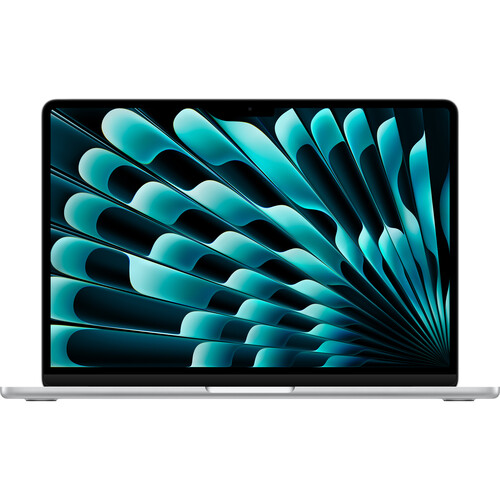
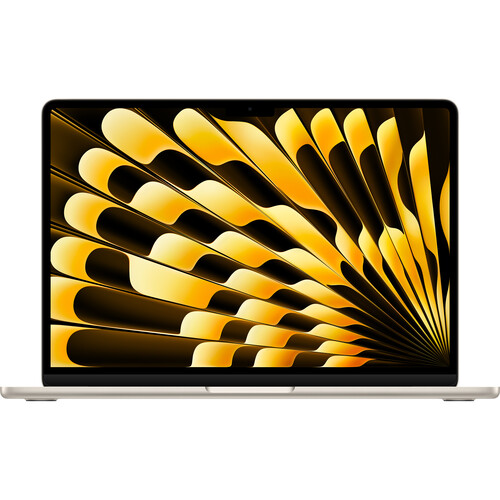
Comparing these six models really comes down to choosing your ecosystem and how you prefer to interact with your screen. While the Apple 13" MacBook Air (M4, Starlight) is the most portable and efficient entry point for students, the Windows machines offer versatility like touchscreens and 2-in-1 hinges that Apple lacks.
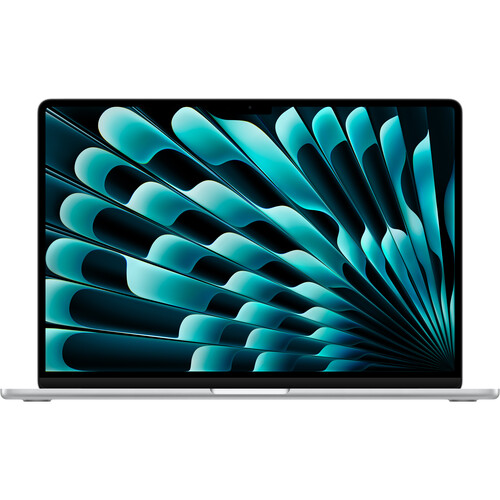
The Apple 15" MacBook Air (M4) is the powerhouse of the group — the 32GB of RAM is a significant jump over the others, ensuring no slowdowns with dozens of tabs and apps open. Its 15.3-inch Liquid Retina display provides the most screen real estate for split-screen research, though at $1,799 it represents the premium end of the range.
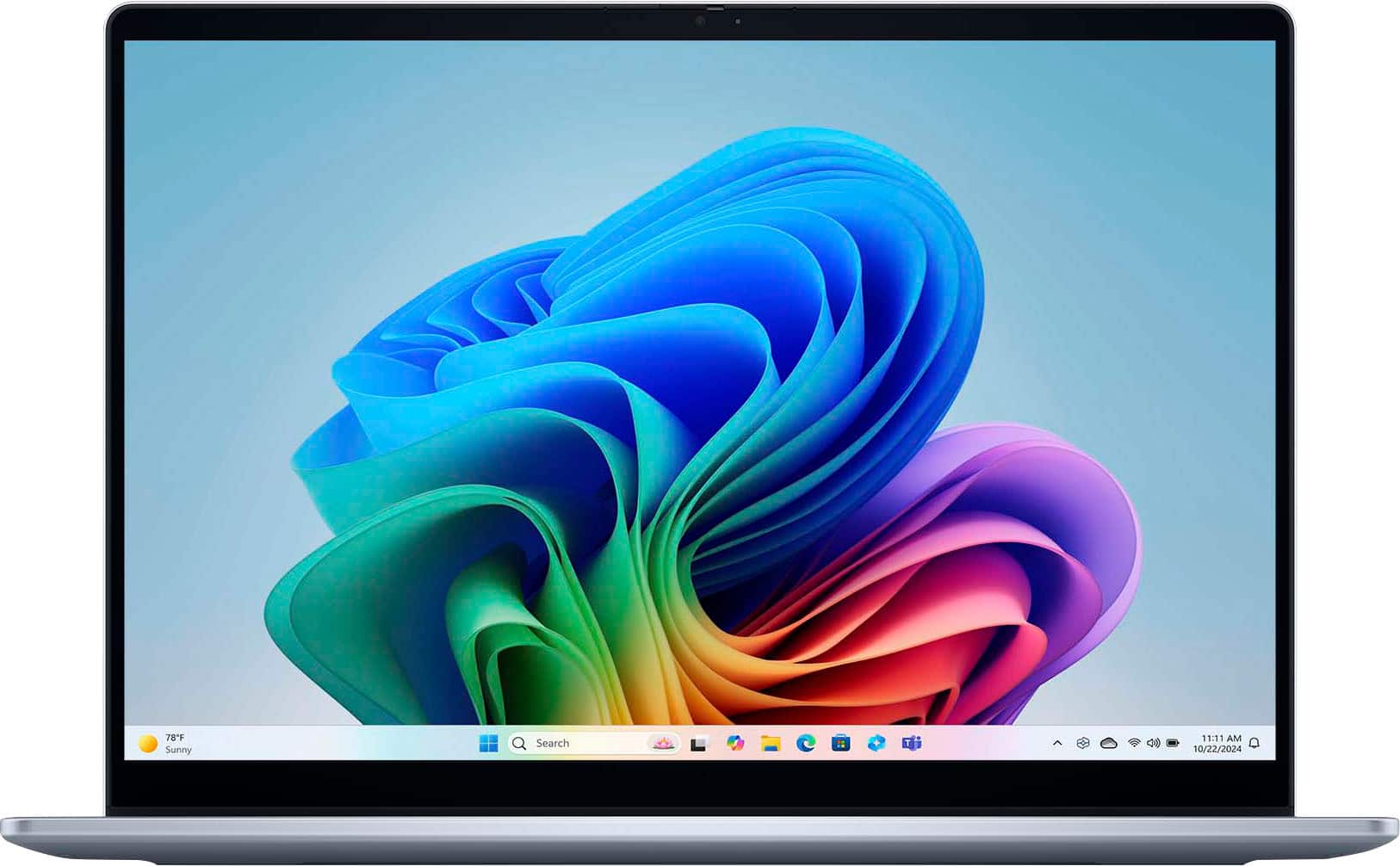
The Dell Plus 2-in-1 is the most versatile option with its 360-degree hinge that supports laptop, tent, and tablet modes. At $934.99, it offers strong value with 1TB storage and a touchscreen. The Intel Core Ultra 7 processor handles demanding coursework efficiently. The display brightness is the main trade-off — it's better suited for indoor study sessions.
The ASUS ROG Zephyrus G14 is the power play for STEM and creative arts students. With an RTX 4070 GPU and a stunning 3K OLED display in a 3.31-pound chassis, it's built for students who need to run demanding simulations, 3D rendering, or serious gaming. Battery life at 10 hours is the shortest here, but the performance ceiling is unmatched.
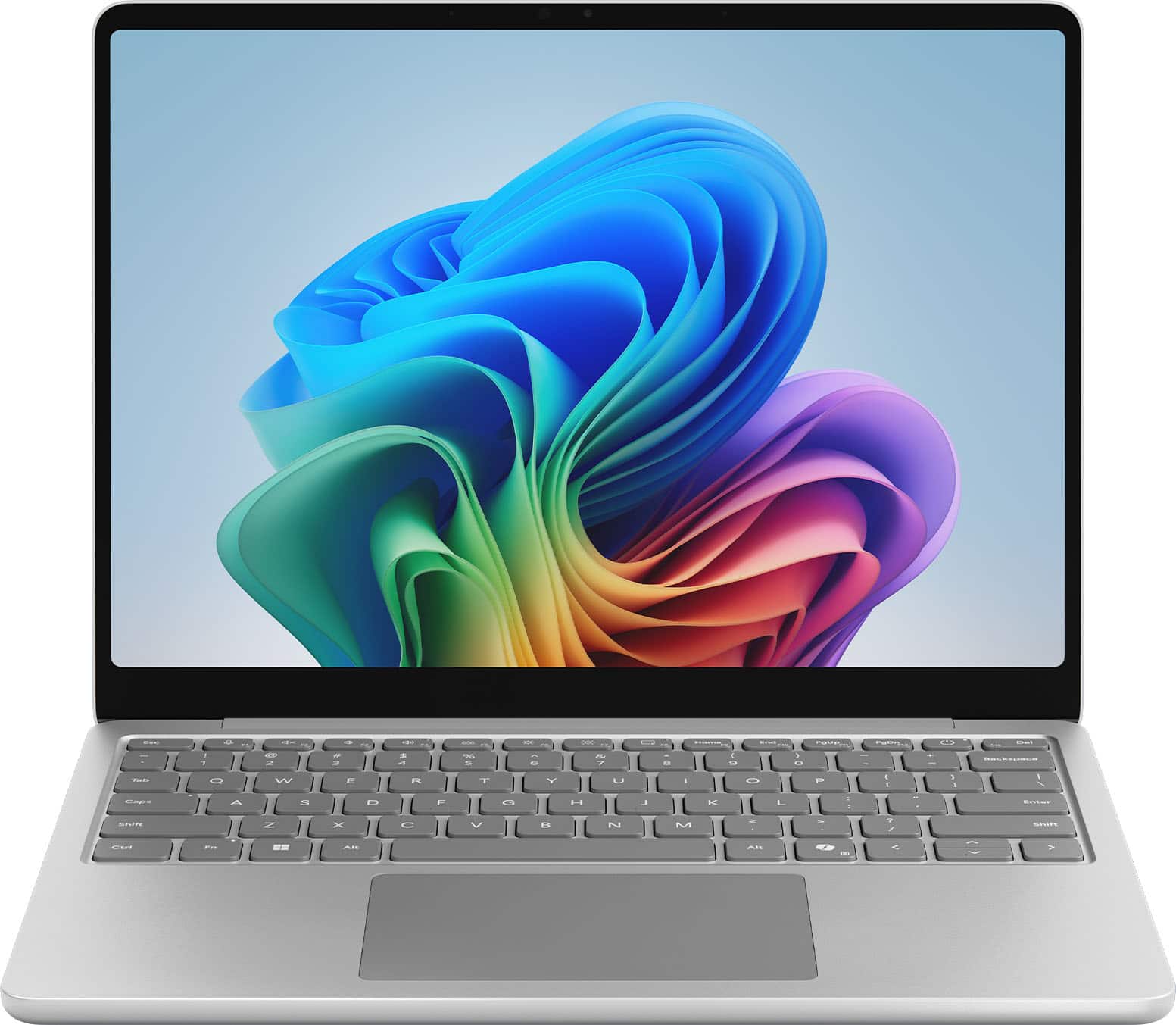
The Microsoft Surface Laptop claims 23 hours of battery life and weighs just 2.7 pounds, making it the lightest traditional laptop in this group. Its Snapdragon X Plus processor delivers excellent power efficiency, though the 60Hz display and 512GB storage are more modest than the competition.
The Apple 13" MacBook Air (M4, Silver) at $899 is the budget champion — offering the same M4 chip performance as its pricier sibling with 256GB of storage. For students who can manage with less storage and rely on cloud services, this is an exceptional value.
 Best Overall